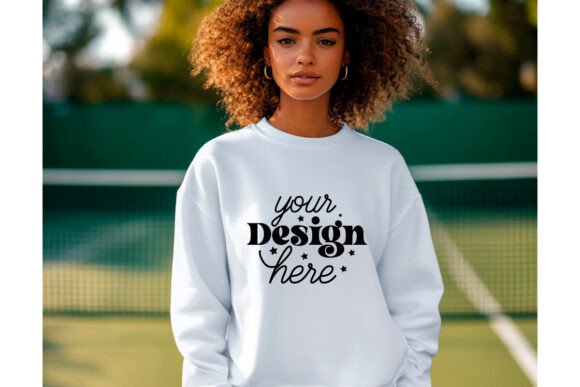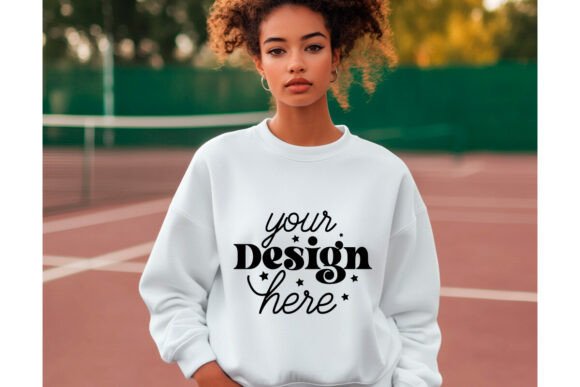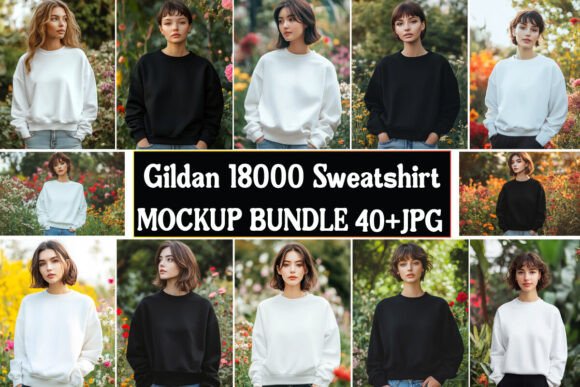
Reviewing the Gildan 18000 White T-Shirt Mockup 33
As an embroidery designer who has spent years digitizing patterns and managing client expectations, I have learned that the gap between a digital preview and a stitched reality is where most projects succeed or fail. When I first opened the Gildan 18000 White T-Shirt Mockup 33, my immediate reaction was not just about the visual appeal of the graphic itself, but about how it translates to the physical constraints of machine embroidery. This asset falls under the category of Product Mockups and Graphics, yet for those of us in the craft business, it serves as a critical planning tool before we ever thread a needle.
First Impressions and Visual Personality
The mood created by this mockup is clean, professional, and versatile. The layout suggests a balance between simplicity and detail, which is essential for embroidery work. In the world of handmade products, overly complex designs often result in dense stitch areas that can pucker fabric or break needles. The visual personality of the Gildan 18000 White T-Shirt Mockup 33 feels approachable, making it suitable for a wide range of applications from boutique branding to personalized gifts. It does not scream for attention with chaotic elements; instead, it offers a structured foundation that allows the embroidery technique to shine.
For Etsy sellers and small shop owners, presentation is everything. A high-quality mockup helps potential buyers visualize the finished product. However, as a reviewer, I look beyond the screen. I ask myself: if I were to convert this visual concept into an embroidery file, would the satin stitch hold up? Would the fill stitch require too much density for a lightweight tee? The clarity of the design in this mockup suggests that with proper digitizing, it could translate well into a tangible embroidered patch or direct garment decoration.
Real-World Application Scenarios
To truly evaluate the utility of this asset, I imagined a specific real-life scenario. Suppose I am preparing a custom order for a local boutique looking to launch a line of holiday embroidery items. They want a trendy checkered motif on sweatshirts and tote bags. Using the Gildan 18000 White T-Shirt Mockup 33 as a reference, I can plan the placement and scale effectively.
This mockup is particularly useful for visualizing how a design sits on different garments. For instance, when working on sweatshirt embroidery, the thicker fabric can handle higher stitch density, allowing for richer texture. Conversely, if I were adapting this concept for a baby embroidery project on a onesie, I would need to simplify the details to ensure comfort against sensitive skin. The mockup helps me anticipate these adjustments before I begin the digitizing process.
Consider also the application on curved surfaces like caps. A design that looks flat and perfect on a t-shirt mockup might distort when applied to the front panel of a hat. By studying the proportions in the Gildan 18000 White T-Shirt Mockup 33, I can better estimate how the design will wrap around a cap’s curvature, ensuring that tiny lettering or detailed corners do not become illegible or bulky.
Navigating Fabric and Technical Constraints
One of the most critical aspects of using any design asset for embroidery is understanding its limitations on various textiles. While the mockup presents a pristine white background, real-world fabrics introduce variables like texture and stretch. If you are planning to use this design concept on textured fabrics such as terry cloth towels or waffle-knit aprons, you must consider how the stitches will interact with the pile. A running stitch might get lost, while a dense fill stitch could cause excessive puckering.
Dark fabric presents another challenge. The Gildan 18000 White T-Shirt Mockup 33 shows the design in light tones, but if you are stitching on navy or black apparel, you will need to adjust your thread colors for sufficient contrast. Additionally, underlay stitches become crucial to prevent the garment color from showing through the top stitches. For stretchy fabric like performance wear or thin fabric such as silk blends, the stabilizer choice becomes paramount. I always recommend testing the design on scrap fabric first to determine the right combination of cut-away or tear-away stabilizer.
Enhancing Brand Consistency and Customer Trust
For creative entrepreneurs and digital product sellers, consistency is key to building brand recognition. Using a reliable mockup like this one ensures that your online listings match the quality of the physical item you deliver. When customers see a professional presentation, their trust in your craftsmanship increases. This directly impacts buyer engagement and conversion rates on platforms like Etsy.
Moreover, the perceived value of a handmade product is heavily influenced by its presentation. A well-executed embroidery project, previewed accurately through a high-quality mockup, signals professionalism. It tells the customer that you care about the details, from the stitch density to the final finish. This attention to detail can justify a higher price point and foster loyalty among repeat buyers.
Practical Notes for Designers and Makers
Before you commit to producing this design for commercial embroidery or personal use, here are some practical steps to ensure success:
- Test on Scrap Fabric: Always stitch out a sample on the same type of material you intend to use for the final product. This reveals issues with tension and density.
- Check Thread Color Contrast: Ensure your thread colors stand out against the fabric background, especially for small details.
- Review Stitch Density: High density can make garments stiff and uncomfortable. Adjust your digitizing settings to keep the design flexible.
- Confirm Hoop Size: Make sure the design fits within your machine’s hoop dimensions without requiring excessive repositioning.
- Inspect Small Details: Tiny elements may not stitch out cleanly. Simplify complex areas if necessary.
- Verify Licensing: Since this is a graphic asset, confirm whether the license allows for commercial use in finished products or if it is strictly for digital previews.
It is important to note that the product description for Gildan 18000 White T-Shirt Mockup 33 does not specify exact stitch counts, file formats, or machine compatibility. Therefore, you must treat this as a visual reference rather than a ready-to-stitch embroidery file. You will need to digitize the design yourself or hire a digitizer to create the appropriate machine embroidery design based on this visual guide.
Final Verdict
The Gildan 18000 White T-Shirt Mockup 33 is a valuable tool for any embroidery designer or craft business owner. It bridges the gap between concept and creation, allowing for thoughtful planning and professional presentation. Whether you are creating a personalized gift, a custom apparel line, or a seasonal collection of holiday embroidery items, this mockup provides the clarity needed to make informed design decisions. By respecting the technical constraints of embroidery and leveraging the visual strengths of this asset, you can produce high-quality finished products that resonate with your customers and elevate your brand.